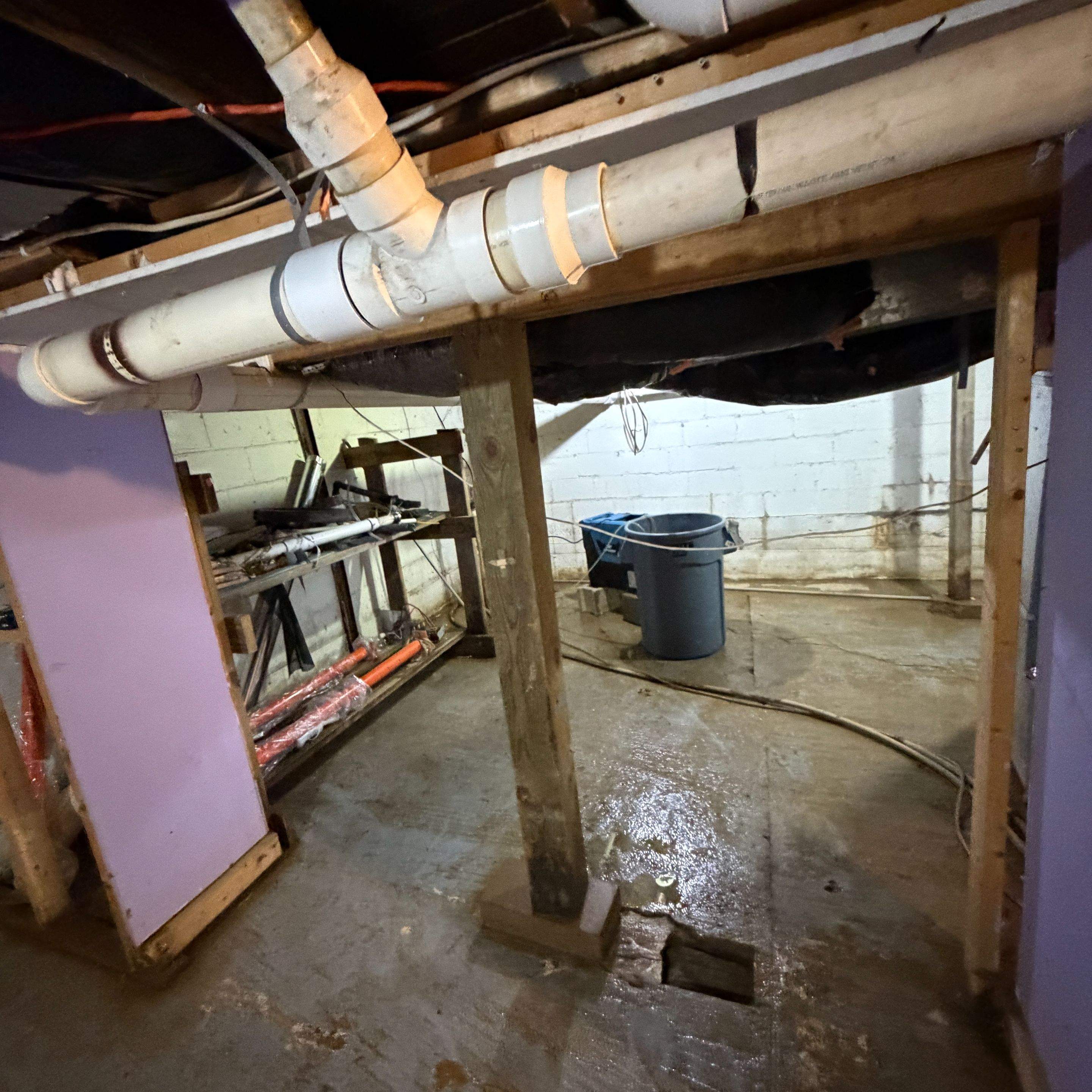
First 60 Minutes: Safety and Documentation
Your priorities in the first hour are simple. Protect people, protect evidence, then protect property. In that order.
- Cut the power. Standing water plus a live outlet equals electrocution risk. Flip the basement breakers before you step down.
- Identify the source. Clean supply line, groundwater through a foundation crack, failed sump, or sewer backflow each trigger a different response.
- Document before you touch. Wide shots, close shots, water line on the drywall, serial numbers on appliances. Insurance adjusters love timestamps.
- Move what you can lift safely. Cardboard wicks water in minutes. Get books, photo albums, and electronics up to a dry floor.
- Do not enter sewage water without PPE. Category 3 water carries pathogens that home cleaners cannot neutralize.
IICRC Water Categories: Know What You Are Dealing With
Restoration pricing, insurance coverage, and required PPE all hinge on the IICRC category. Use this table as a quick reference before you decide DIY versus pro.
| Category | Source | Risk Level | Typical Response |
|---|---|---|---|
| Cat 1 | Clean supply line, rain through window well | Low | Extract, dry, monitor 3 to 5 days |
| Cat 2 | Washing machine discharge, dishwasher overflow, sump failure with greywater | Moderate | Extract, sanitize, remove porous materials |
| Cat 3 | Sewer backup, toilet overflow with solids, river flooding | High biohazard | Professional only, full PPE, controlled demolition |
If you are unsure of the category, treat it as one level higher than you think. Water also degrades over time. A Cat 1 loss that sits untouched for 48 hours can migrate to Cat 2 as bacteria multiply on wet drywall paper and carpet pad. That is why response speed matters more than gallon count for long-term cost. For a deeper breakdown, our guide on why sewage backup is a Category 3 emergency walks through the contamination details and the insurance implications.
What to Do While You Wait for Help
If Eagle Village Water Restoration is 30 to 90 minutes out, these moves protect your claim and limit secondary damage.
- Open windows if outdoor humidity is lower than indoor.
- Pull furniture legs onto foil squares or wood blocks.
- Remove area rugs to a garage or driveway.
- Do not run the HVAC if ductwork sits in the wet zone.
- Keep a running log of every contractor call, every photo, every item moved.
- Bag wet textiles separately so dye transfer does not ruin carpet or upholstery still in the dry zone.
- Shut off the main water supply if the source is a broken pipe or appliance line.
When DIY Is Reasonable
Small Cat 1 events with under an inch of clean water on a sealed concrete slab, caught within two hours, can often be handled with a rented wet vac, two fans, and a dehumidifier. Run the dehumidifier continuously for at least 72 hours and check moisture readings on the slab and lower wall with a pinless meter before declaring it dry. If the water touched drywall, insulation, or finished flooring, or if it sat overnight, you are past DIY territory. Mold colonies can establish within 24 to 48 hours on cellulose materials, and once that clock runs out, remediation costs jump significantly. Our overview of basement flooding restoration services covers the equipment thresholds in detail.
Cost Reference for Eagle Village Homeowners
Pricing varies with square footage, category, and how long the water sat. These ranges reflect what central Indiana homeowners typically see on adjuster estimates.
| Scenario | Affected Area | Typical Range |
|---|---|---|
| Cat 1, small leak | Under 300 sq ft | $1,200 to $2,800 |
| Cat 2, sump failure | 500 to 1,000 sq ft finished basement | $3,500 to $7,500 |
| Cat 3, sewer backup | Full basement | $8,000 to $20,000+ |
Most homeowner policies cover sudden and accidental discharge but exclude groundwater and surface flooding without a separate flood policy. Sewer and drain backup also requires a specific endorsement that many policies do not include by default. Check your declarations page now, not after the loss. Before you sign anything, read our walkthrough on filing a water damage insurance claim so you know what language to use with your adjuster.
Professional Cleanup Sequence
When Eagle Village Water Restoration arrives at a flooded basement in Eagle Village, the crew follows a repeatable IICRC sequence. Knowing the order helps you spot a corner-cutting contractor.
- Inspection and moisture mapping. Thermal cameras and pin meters identify hidden saturation in framing and behind drywall.
- Water extraction. Truck-mounted units pull 100+ gallons per hour. Standing water gone within the first visit.
- Controlled demolition. Wet drywall cut 12 to 24 inches above the water line, saturated insulation bagged out, carpet pad removed.
- Antimicrobial application. EPA-registered biocides on all affected surfaces for Cat 2 and Cat 3 losses.
- Structural drying. Air movers and commercial dehumidifiers run 3 to 5 days with daily moisture readings.
- Clearance and reconstruction. Final moisture verification, then rebuild of drywall, flooring, and trim.
Expect daily check-ins from the project manager during the drying phase. If readings stall, the crew should adjust equipment placement rather than just letting fans run another day. Ask for a copy of the moisture log at the end of the job. It becomes part of your home's history and supports any future claim or resale disclosure.
Common Causes in Eagle Village Basements
Not every flooded basement starts the same way. Knowing the most likely culprit helps the crew arrive with the right equipment.
- Sump pump failure. Burned motor, stuck float, or a power outage during a storm. Battery backup units buy you eight to twelve hours.
- Sewer line backup. Tree roots, grease buildup, or a saturated municipal main pushing water back through floor drains.
- Foundation seepage. Hydrostatic pressure forces groundwater through cracks, cove joints, and porous block walls after heavy rain.
- Frozen or burst supply lines. Common in unconditioned basements during January cold snaps in central Indiana.
- Water heater rupture. Tanks past year ten can dump 40 to 80 gallons in minutes when the bottom corrodes through.