Quick Answer: What to Do in the First 10 Minutes
Shut off the main water valve. Kill power to affected rooms at the breaker. Move valuables up and out. Call a licensed restoration company. Document everything with photos and video before you touch anything beyond safety basics. Most burst pipe repairs in Eagle Village run between $1,500 and $8,000 for water mitigation, with full restoration reaching $15,000 or more when flooring and drywall are involved.
Immediate Steps After a Burst Pipe
Step 1: Stop the Water
- Locate your main shut-off valve (usually basement, crawlspace, or near the water meter)
- Turn the valve clockwise until it stops
- Open a low faucet to drain pressure from the lines
- If you cannot find the main, call your Eagle Village water utility for emergency shut-off
Step 2: Eliminate Electrical Hazards
- Shut off power to affected rooms at the breaker panel
- Do not step into standing water near outlets or appliances
- Unplug electronics only if the area is dry and safe
Step 3: Document for Insurance
- Photograph every affected room from multiple angles
- Record a walkthrough video narrating damage
- Save the broken pipe section if possible
- Keep receipts for any emergency purchases
Step 4: Call a Certified Restoration Company
Time matters. The 24 to 48 hour mold window is real, and waiting for a plumber alone is not enough. A restoration team handles extraction, drying, and containment while the plumber fixes the line. Many homeowners lose thousands in avoidable secondary damage simply because they assumed a wet-vac and box fans were enough. Professional-grade truck-mounted extractors pull out 10 to 20 times more moisture than consumer equipment, and that difference shows up in your drywall and subfloor within days.
What Insurance Typically Covers
Most Eagle Village homeowner policies cover sudden and accidental burst pipes. They do not cover damage from neglected leaks or pipes that froze because heat was turned off. Here is what helps your claim:
- Detailed photos and video taken before mitigation starts
- A written scope of work from an IICRC certified contractor
- Moisture readings documented daily during drying
- Receipts for any emergency lodging or replacement items
- A copy of the plumber's invoice identifying the failure point
Our team handles direct insurance billing for most major carriers. For a deeper walkthrough, review our guide on filing a water damage insurance claim before you speak with your adjuster. Be cautious about giving a recorded statement before you have your scope of work in hand, and never sign anything that limits your claim before the full extent of damage is documented.
Common Burst Pipe Locations in Eagle Village Homes
Winter Freeze Zones
- Exterior wall pipes in older Central Indiana homes
- Crawlspace supply lines without insulation
- Hose bibs left connected through freezing nights
- Pipes in unheated garages and attics
- Kitchen sink supply lines on north-facing exterior walls
Year-Round Failure Points
- Aging copper or galvanized fittings (20+ years old)
- Washing machine supply hoses
- Under-sink shut-off valves
- Water heater connections
- Ice maker and refrigerator water lines
- Polybutylene pipe in homes built between 1978 and 1995
Signs the Damage Is Worse Than It Looks
- Warm spots or cool spots on walls and floors
- Bubbling paint or warped trim hours after cleanup
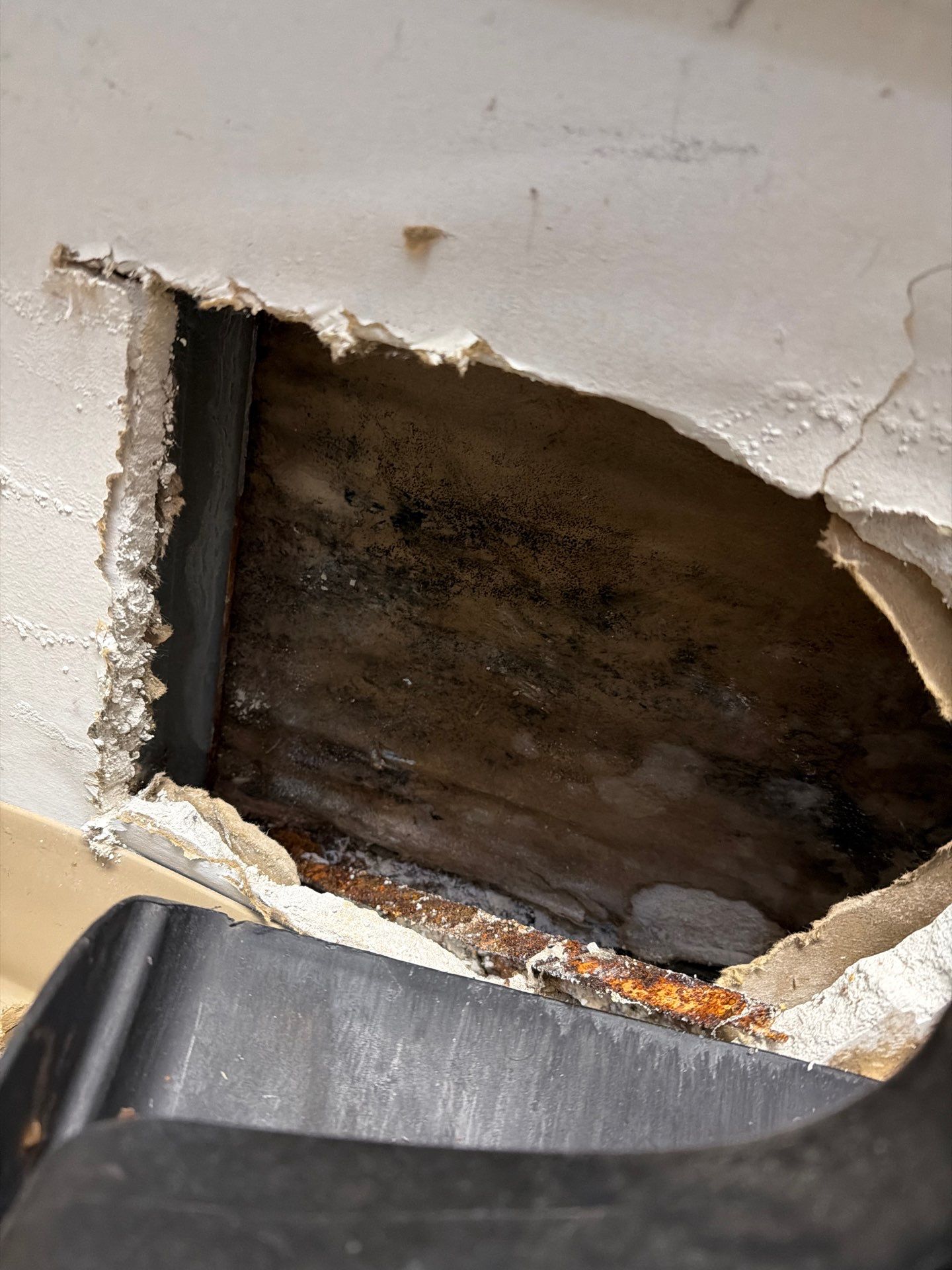
- A musty smell within 24 to 48 hours
- Sagging ceilings below upstairs bathrooms
- Continued high humidity readings after fans run
- Stained or buckling hardwood several rooms away from the original leak
If you spot any of these, do not wait. Reach out for a professional assessment. Eagle Village Water Restoration offers same-day moisture inspections across Eagle Village, and you can read more about our full mitigation process on our water damage restoration page.
Burst Pipe Repair Cost Breakdown
Costs in Eagle Village vary based on water category, square footage affected, and materials involved. Here is what to expect:
| Service | Typical Cost Range | Notes |
|---|---|---|
| Emergency water extraction | $400 to $1,500 | Per visit, depends on volume |
| Structural drying (3 to 5 days) | $1,200 to $4,500 | Air movers, dehumidifiers, monitoring |
| Drywall repair and paint | $800 to $3,500 | Per affected room |
| Flooring replacement | $1,500 to $7,000 | Varies by material |
| Pipe repair (plumber) | $200 to $1,500 | Depends on access and pipe type |
| Mold remediation (if delayed) | $2,000 to $6,000 | Triggered after 48 hours wet |
| Content pack-out and storage | $1,000 to $4,000 | Furniture, electronics, documents |
| Antimicrobial treatment | $300 to $900 | Applied after extraction |
How IICRC Categories Affect Your Cost
Not all burst pipe water is equal. The IICRC classifies water damage into three categories, and your category drives both the cleanup method and the price.
- Category 1 (Clean Water): Supply line breaks. Safest, lowest cost. Standard drying applies.
- Category 2 (Gray Water): Water that has sat 24+ hours or contacted appliances. Requires sanitizing.
- Category 3 (Black Water): Sewage contamination or prolonged saturation. Triggers full removal of porous materials. See our Category 3 emergency guide for detail.
A Category 1 loss can degrade into Category 2 within 48 hours if drying is delayed, and into Category 3 within 72 to 96 hours. That progression is the single biggest reason mitigation costs spike. The fix on day one is straightforward extraction and drying. The fix on day four often means demolishing baseboards, removing insulation, and tearing out cabinetry.
Prevention Steps That Pay Off
A small investment now saves a five-figure restoration bill later. Consider these upgrades before the next freeze:
- Install pipe insulation sleeves on all exposed lines in unheated spaces
- Replace rubber washing machine hoses with braided stainless steel
- Keep cabinet doors open under sinks on cold nights so warm air circulates
- Let a pencil-thin trickle run from the highest faucet when temperatures drop below 15 degrees
- Add a smart water leak detector near water heaters, washers, and main supply lines
- Schedule an annual plumbing inspection for homes older than 25 years