How quickly can Eagle Village Water Restoration actually arrive at my Eagle Village property?
For most calls inside our Eagle Village service radius, our response window is 60 to 90 minutes from the time you hang up. Storm events and overnight pipe bursts can stretch that slightly because crews get spread thin, but we keep dispatch transparent. When you call, the person on the phone will give you a real arrival time, not a sales pitch. We also send a text with the technician's name and ETA so you are not staring at the window wondering. If you are dealing with active flooding, we will walk you through shutting off the water main, killing power to affected circuits, and lifting valuables off the floor while the truck is en route.
What does "same day service" actually include?
Same day means we begin the mitigation process the day you call, not that we drop off fans and leave. On the first visit, our IICRC certified technicians complete water extraction with truck-mounted units that pull thousands of gallons per hour, perform a full moisture map of the affected rooms, document everything with photos and meter readings for your insurance carrier, remove unsalvageable materials like saturated padding or Category 3 contaminated drywall, treat affected surfaces with an EPA-registered antimicrobial, and set the initial drying configuration of air movers and dehumidifiers. Most properties have equipment running before the first crew leaves. For a deeper look at the extraction stage, our water extraction services breakdown covers what tools we use and why.
Why hire Eagle Village Water Restoration instead of a national chain?
We live and work in Eagle Village. Aaron founded Eagle Village Water Restoration in 2018 because he watched out-of-state franchises bill homeowners for equipment they barely used and leave jobs unfinished. We answer our own phones, our technicians are IICRC certified employees rather than rotating subcontractors, and we hold a BBB A+ rating because we follow through. If we cannot help you, we will tell you directly and point you to someone who can. That promise is the same whether you call us at 2pm on a Tuesday or 2am during an ice storm.
How long until my home is actually dry?
Standard residential drying in Eagle Village runs 3 to 5 days for clean water (Category 1) losses confined to one or two rooms. Larger losses, hardwood floors, or saturated wall cavities can push that to 5 to 7 days. Category 2 (gray water) and Category 3 (black water, including sewage) jobs take longer because contaminated materials have to come out before drying can finish. We monitor moisture daily, sometimes twice daily, and adjust equipment placement as readings drop. Drying is finished when wood framing reads at or below the dry standard for your structure, usually 12 to 16 percent depending on local baseline. We do not pull equipment early to save on rental days. That is how mold complaints happen six weeks later.
What slows down drying the most?
Hardwood flooring is the biggest variable. Solid oak planks can hold moisture in the tongue-and-groove joints for a week or more, and we often use specialty mat drying systems to pull water up through the finish without cupping the boards. Plaster walls, dense insulation, and concrete slabs also extend timelines because moisture migrates slowly through tight materials. Ambient humidity matters too. A Eagle Village basement loss in August will dry slower than the same loss in February because outdoor air is already saturated. We size our dehumidifiers to overcome that load, but it is worth understanding why your neighbor's drying job finished in three days and yours might take six.
What can I do in the first 30 minutes before you arrive?
Shut off the water source if you can locate the valve safely. Kill power to any room with standing water near outlets. Move furniture, rugs, electronics, and anything paper or fabric off wet floors. Lift draperies onto hangers above the waterline. Place aluminum foil squares or wood blocks under furniture legs to prevent stain transfer. Do not use a household vacuum on water. Do not run the HVAC system if the ductwork is wet, since that spreads moisture and possible contamination through the whole house. Take photos before you move anything. Your insurance adjuster will want them, and our team will use them to reconstruct the loss timeline.
What should I avoid doing while waiting for the crew?
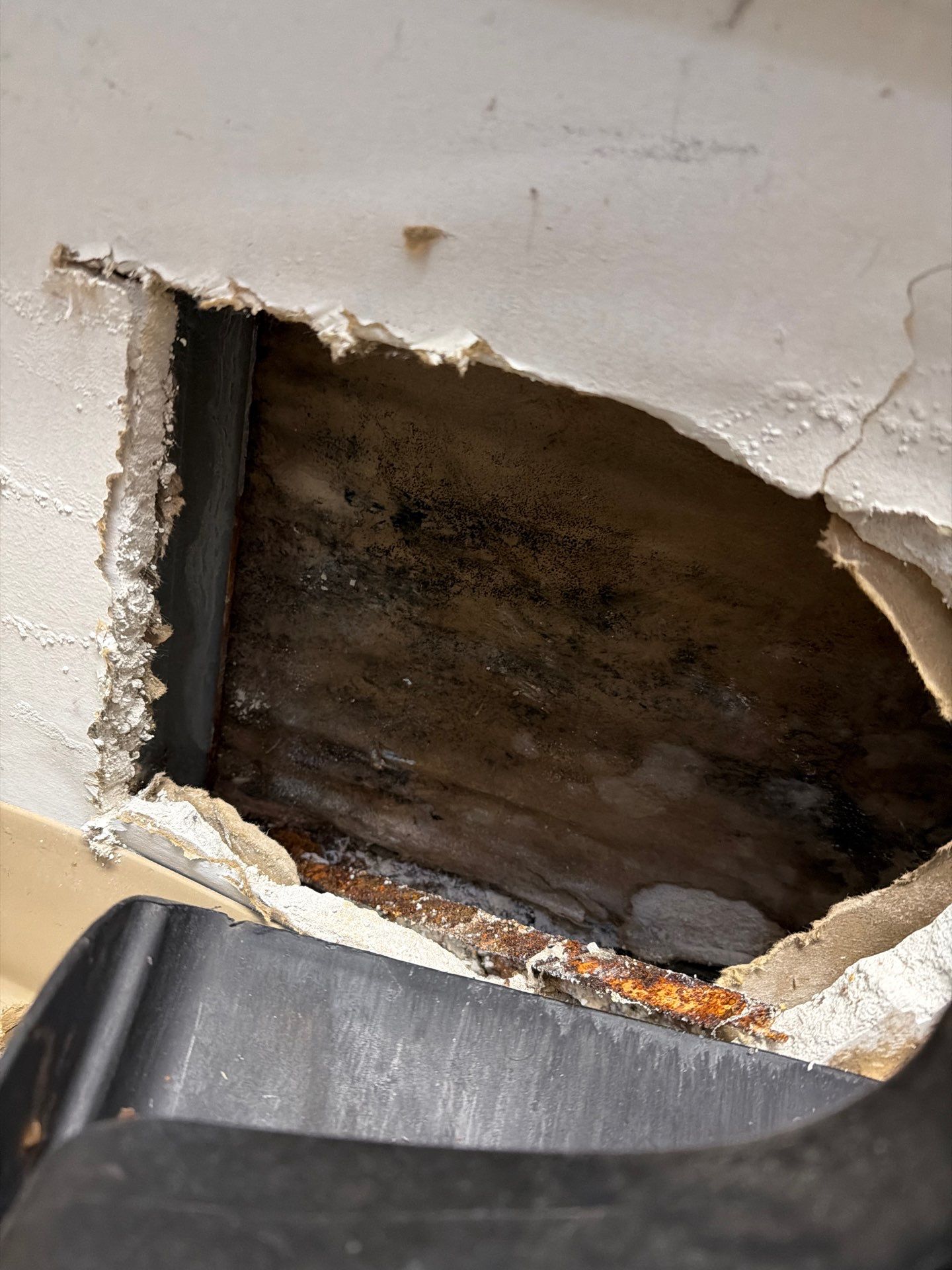
Resist the urge to start cutting drywall or pulling up flooring yourself. We need to see the loss in its original state to scope it properly, and aggressive demolition before assessment can complicate your claim. Skip the bleach. It does not penetrate porous materials and can actually feed mold growth in some conditions. Do not plug space heaters into wet outlets thinking it will speed up drying. That is a fire risk and it pushes moisture deeper into wall cavities rather than removing it. If you have already pulled out a wet rug or some towels, set them outside or in a garage where they can air out without adding humidity to the rooms we need to dry.
Will same day service cost more than waiting?
This is the question almost every homeowner asks, and the honest answer is no. Waiting costs you more, not less. A same day extraction job on 400 square feet of clean water might run 1,500 to 3,500 dollars. The same room left wet for 48 hours often becomes a 6,000 to 12,000 dollar job once drywall, baseboards, insulation, and flooring have to be cut out and replaced. Insurance carriers know this, which is why most policies require you to mitigate immediately. We document arrival times specifically so your adjuster can see you acted in good faith. For a full pricing walkthrough, see our water damage restoration cost breakdown.
What kinds of water emergencies do you handle same day?
Our Eagle Village crews respond same day to burst supply lines, frozen pipe ruptures, water heater tank failures, dishwasher and washing machine supply hose breaks, refrigerator line leaks, toilet overflows, sewage backups, sump pump failures, roof leaks during storms, and basement seepage after heavy rain. If your situation involves contaminated water from a sewer line or toilet, that falls under Category 3 protocols and requires PPE, containment, and specific disposal. Our sewage cleanup service page explains the IICRC S500 procedures we follow on those calls.
Does my homeowner's insurance cover same day emergency response?
In most cases, yes, when the damage comes from a sudden and accidental event such as a burst pipe, appliance failure, or storm-driven water intrusion. Gradual leaks and long-term seepage are usually excluded. Flooding from outside groundwater typically requires a separate NFIP flood policy. We bill insurance directly for the mitigation portion and provide the moisture logs, photos, and scope documentation your adjuster needs. If we believe a claim is borderline, we will tell you before you file so you can make an informed decision. Eagle Village Water Restoration does not push homeowners into claims that will not pay out.