Commercial Mold Remediation in Eagle Village, IN
Commercial mold remediation across Eagle Village and Boone County. Moisture mapping, material removal, independent verification where it's required.
Eagle Village Water Restoration provides Commercial Mold Remediation in Eagle Village, IN. IICRC certified crews, scheduled assessment, and a written scope before work begins. We work with your insurance carrier on approved claims. Call (463) 223-3831 to schedule.
- Service: Commercial Mold Remediation for Eagle Village homeowners
- Service area: Eagle Village, IN and surrounding areas
- Response time: Scheduled evaluation at your convenience, typically same week
- Licensed and insured (License #RC21100059)
- Serving Eagle Village, IN since 2018
Commercial Mold Removal in Eagle Village
For commercial buildings in Eagle Village, we'll track down the water feeding mold growth before any material comes out.
Moisture Sources Here
Buildings near Eagle Creek can take on floodwater, and anything left wet afterward can grow mold. We'll go over the air handling and any past leaks on the first walkthrough with whoever runs the building.
We take commercial mold jobs anywhere in Eagle Village, including the streets around Eagle Creek Golf Club and Pike High School. We also handle commercial mold work in Snacks/Guion Creek and Bayswater at Eagle Creek.
Commercial Mold Remediation for Eagle Village Businesses
Turning over a vacant suite is the cheapest time to deal with this and the easiest time to miss it. The space has been closed up, the HVAC has been running at a setback that lets humidity climb, and the back of the demised wall has been damp all summer. Eagle Village Water Restoration inspects Eagle Village suites before build out starts, so growth gets remediated while the walls are already open, before a new tenant moves in.
Removal follows the growth to its edge and then continues a short distance into clean material. Eagle Village Water Restoration marks the cut lines on gypsum board and ceiling tile in your Eagle Village building from the moisture survey, then checks every exposed edge with a meter and a visual inspection. If an edge still reads damp or shows growth, the cut line moves out.
Debris load out is scheduled like any other delivery. Eagle Village Water Restoration places the container away from the building's fresh air intakes at your Eagle Village property and moves bagged material to it in scheduled loads, with the lid closed between them. Each load gets logged by date and by the area it came from, so every disposal entry has a location behind it.
Commercial property policies typically ask the insured to take reasonable steps to limit further damage once a loss is found. Shutting off the water and moving contents out of harm's way are the usual examples, so keep the receipts and a short log of who did what and when. Eagle Village Water Restoration adds its own containment and drying records to that log for your Eagle Village property.
Managers with several buildings can call Eagle Village Water Restoration once about all of them. Describe each property in Eagle Village and the surrounding area, and the team will set up inspections in a sequence that matches your priorities and access arrangements. Each building gets its own moisture survey and written scope so the files stay separate.
Signs You Need Commercial Mold Remediation
If you notice any of these in your Eagle Village building, schedule a free inspection before the issue worsens.
A musty, earthy odor in one suite that gets noticeably stronger when the air handler cycles on
Standing water sitting in a condensate pan that should have drained hours ago
Relative humidity in the space that stays high even with the mechanical equipment running normally
Carpet tile edges curling or staying damp along an exterior wall for days at a time
A ceiling stain sitting directly beneath an upstairs restroom or break room
Condensation forming on the interior face of exterior walls during a cold stretch
Cabinet bases in a break room that have swollen or delaminated around a sink supply line
An inspection report from a buyer's consultant that recommends remediation of one named area
Dark speckling on the gypsum board above the suspended ceiling line, visible from a ladder
Odor complaints from several suites in the same corridor or the same vertical stack
How Eagle Village Water Restoration Handles Commercial Mold Remediation
We follow these steps in order on every Eagle Village job.
Written Scope and Approval
The Eagle Village Water Restoration team puts the findings in writing: containment boundary, which assemblies come out, which get cleaned in place, and the moisture source that has to be corrected. The building owner or property manager approves it before any material is disturbed.
Containment Construction
Poly and framing seal the work area off from occupied space, with a decontamination entry built at the access point. Every supply and return register inside the zone gets sealed so the air handling system stops moving air through it. Barriers get inspected before work starts.
Negative Pressure Setup
HEPA filtered negative air machines pull the work area to negative pressure relative to the surrounding building, exhausting outside where the layout allows. Manometers confirm the differential across the barrier. HEPA air scrubbers run inside the enclosure for particulate throughout the project.
Independent Verification
Where a building owner, carrier or tenant agreement calls for it, an outside industrial hygienist performs post remediation verification with a visual inspection and whatever sampling their protocol specifies. Containment and equipment stay in place until that party signs off on the results.
Source Correction and Rebuild
The moisture source gets corrected or assigned in writing to the mechanical or roofing contractor responsible for it. Once drying readings hold, Eagle Village Water Restoration rebuilds what came out: framing repairs, insulation, gypsum board, ceiling grid, flooring and finishes.
Commercial Mold Remediation in Eagle Village
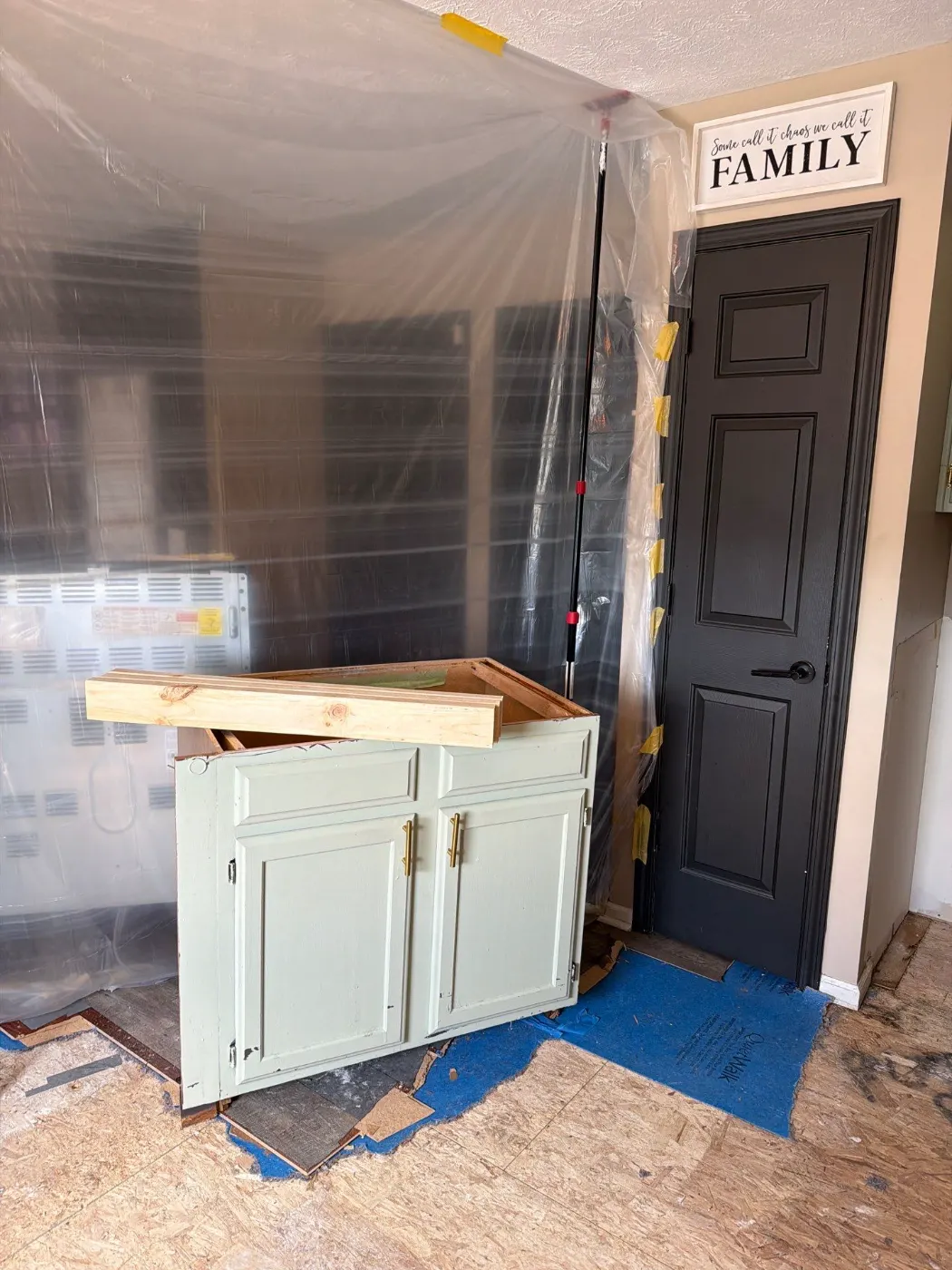
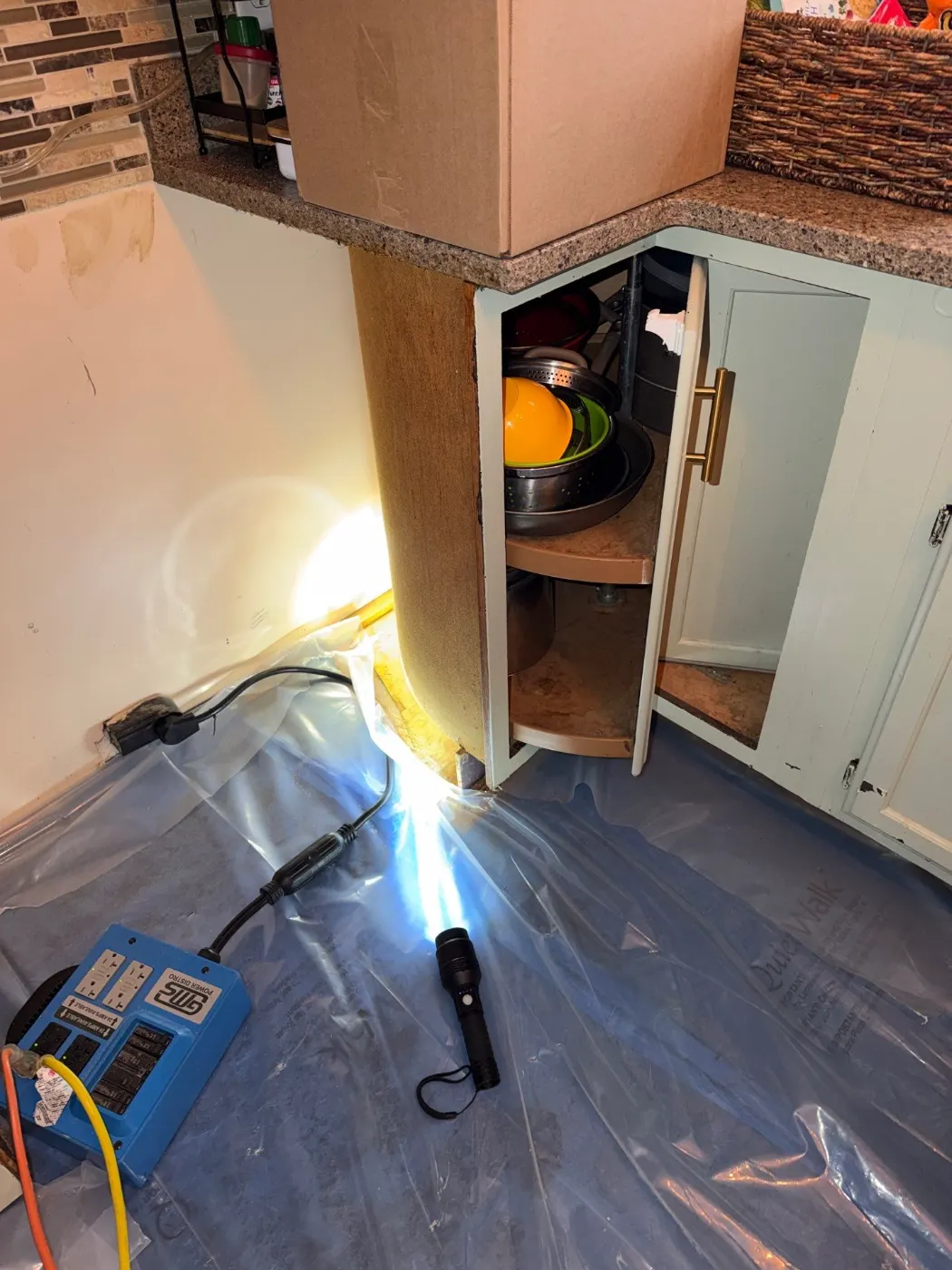
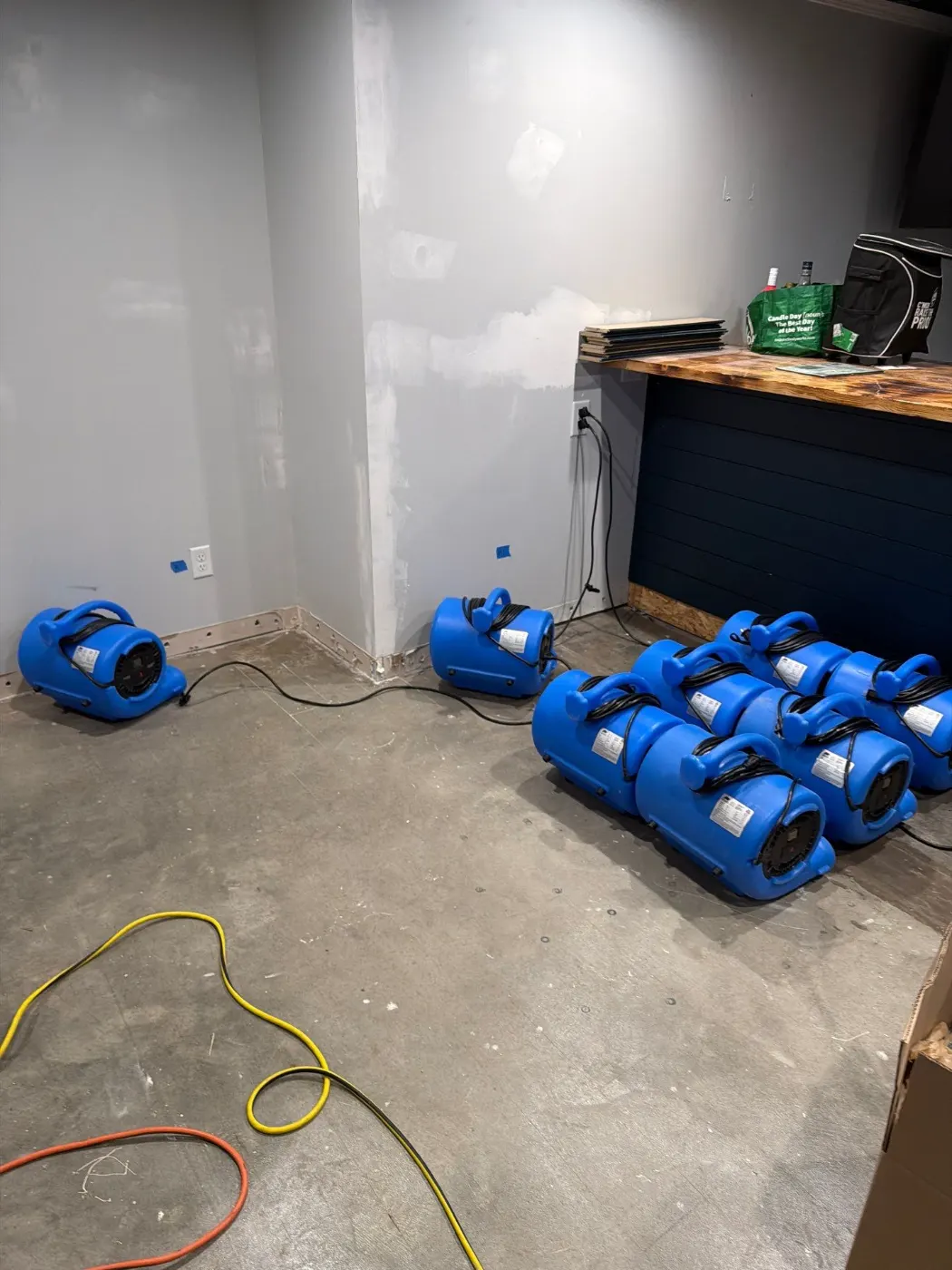
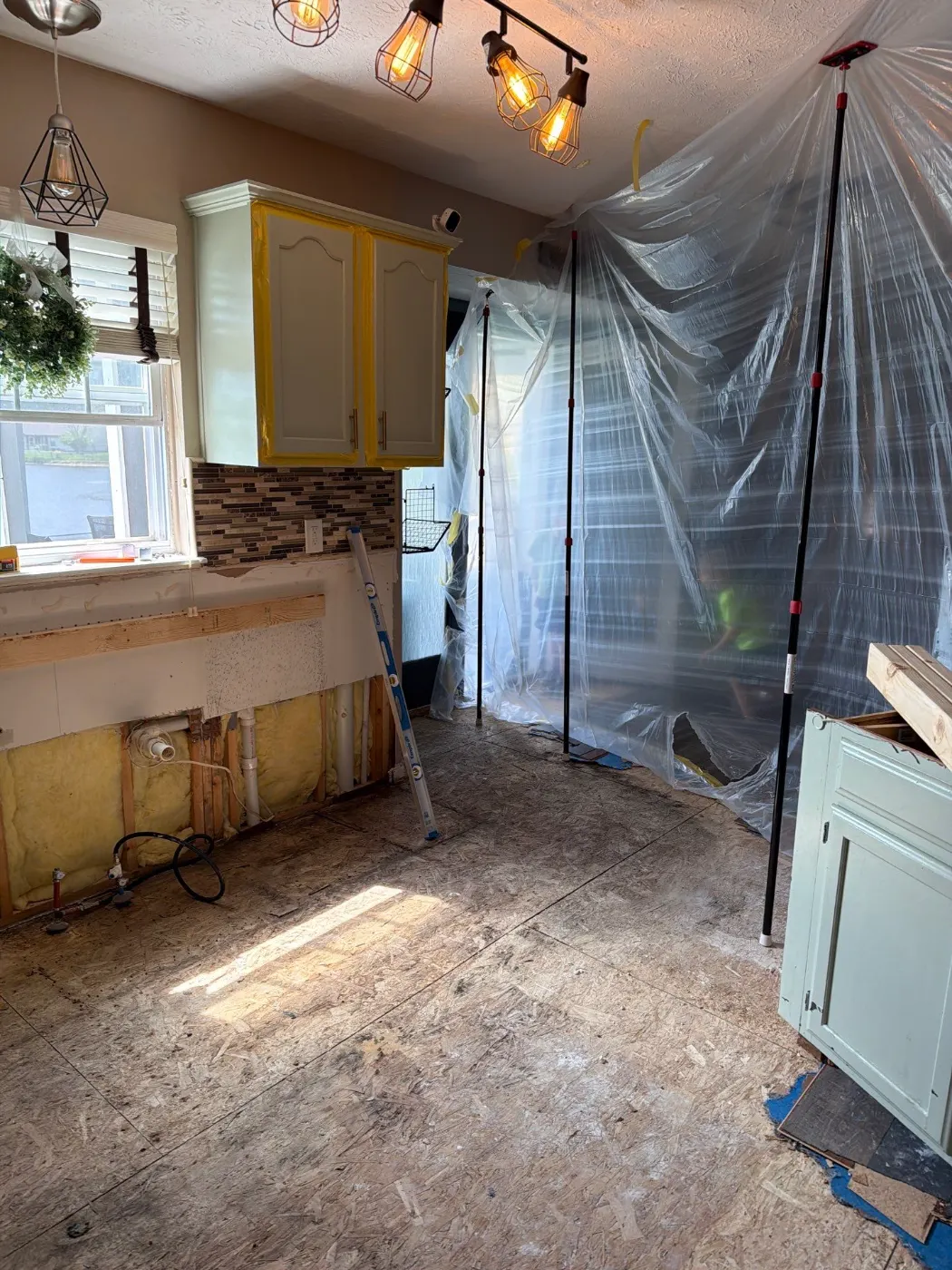
Photographs from real commercial mold remediation jobs completed by our crew in Eagle Village and surrounding areas.
Commercial Mold Remediation FAQ
Questions Eagle Village property managers ask us about commercial mold remediation.
Guidance and Standards for Commercial Mold Remediation
- The ANSI/IICRC S520 is the published standard for professional mold remediation. The current edition is the Fourth Edition, 2024. IICRC S520 Standard
- EPA’s mold guide says the key to mold control is moisture control. EPA: A Brief Guide to Mold, Moisture and Your Home
Eagle Village Neighborhoods We Serve
We take commercial mold remediation calls in every part of Eagle Village. Pick your neighborhood for local details.
Other Restoration Services in Eagle Village
Eagle Village Water Restoration handles the full scope of restoration work. Explore our other services below.
Water Damage Restoration in Eagle Village
24/7 emergency response. IICRC certified water restoration from extraction to full dry out.
Learn more →Basement Flooding in Eagle Village
Basement water emergencies handled fast. Extraction, drying, mold prevention.
Learn more →Sewage Cleanup in Eagle Village
Category 3 biohazard cleanup. Full containment, decontamination, structural restoration.
Learn more →Request Commercial Mold Remediation
Reach Us Directly
Our team is available 24/7 for emergencies and ready to schedule inspections during business hours.
Need Immediate Help?
For active water or mold emergencies, call us directly. We are available 24/7.